 how-to
How to Renew Car Registration in Utah (2026 Guide)
Table of Contents
- What You'll Need Before You Start Your Renewal
- Utah Vehicle Emissions Testing Requirements You Can't Skip
- Step-by-Step: How to Renew Car Registration in Utah Online
- Renewing by Mail or In Person at a DMV Office
- The Cost of Car Registration Renewal in Utah
- Mobile Emissions Testing in Utah County: Skip the Trip
- Grace Periods, Late Penalties, and Expired Registration
- Military and Out-of-State Renewal Procedures
- Frequently Asked Questions
Last Updated: September 28, 2026
What You'll Need Before You Start Your Renewal
Renewing your car registration in Utah starts with one question: do you need an emissions test first? For most vehicles in Utah County, the answer is yes. This guide from Mobile Emissions Pro walks you through how to renew car registration in Utah without wasted trips.
Gather these items before you begin:
- Your license plate number or vehicle identification number (VIN)
- Current proof of insurance
- Payment method for the registration fee
- Your renewal notice, if you received one
- A passing emissions inspection, when your county requires it
Utah Vehicle Emissions Testing Requirements You Can't Skip
An emissions inspection is a state-mandated check of your vehicle's exhaust system. It measures whether your car meets clean air standards. Utah requires it for registration in certain counties, on a set schedule tied to your model year.
Which Counties and Vehicles Need an Emissions Inspection
Salt Lake, Davis, Weber, and Utah County require emissions testing. If you live in Eagle Mountain, Saratoga Springs, or anywhere else in Utah County, your vehicle falls under these rules.
- Newer cars: exempt for the first several model years
- Mid-age cars: tested every two years
- Older cars: tested every year
- Diesel vehicles: separate schedule, often yearly
Step-by-Step: How to Renew Car Registration in Utah Online
The fastest way to renew car registration is the state's renewal portal. It runs 24/7 and takes about ten minutes. Have your plate number, insurance info, and payment ready.
Follow these steps:
- Go to the Utah State Tax Commission renewal portal.
- Enter your license plate number or VIN.
- Confirm your address and vehicle classification.
- Verify your emissions test is on file.
- Pay the registration fee by card or e-check.
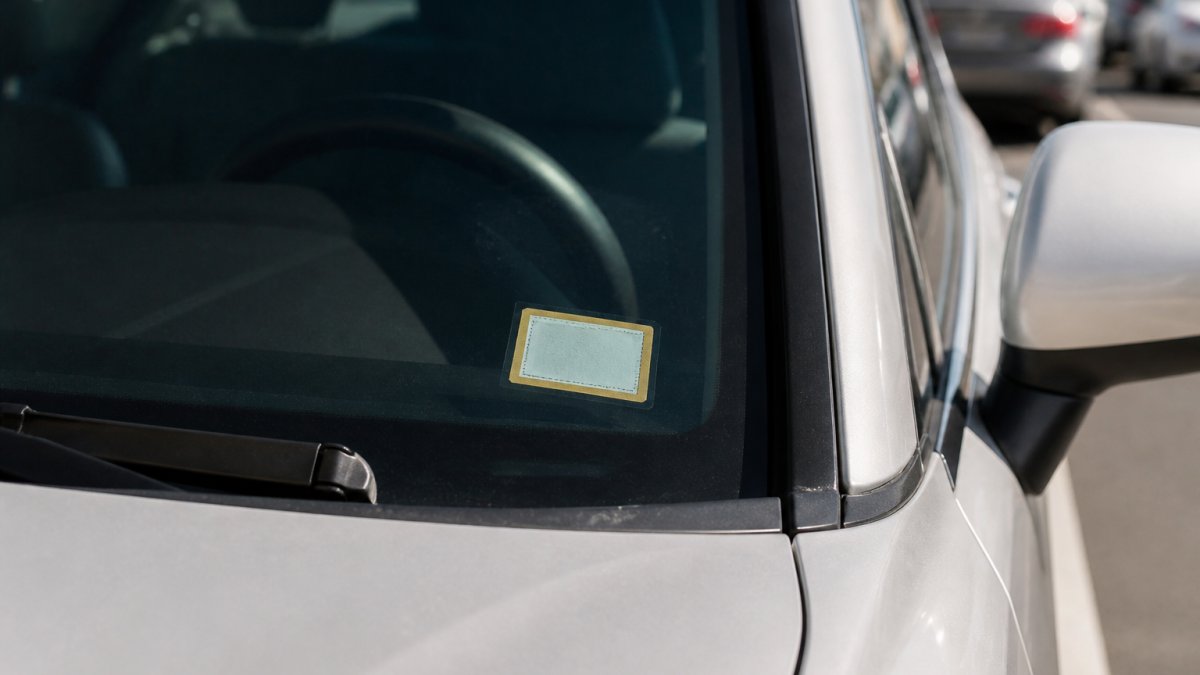
- Print your temporary registration card.
- Wait for your new decal and card in the mail.
Troubleshooting Common Renewal Portal Errors
Portal errors stop more renewals than anything else. Here are the fixes that work.
Renewing by Mail or In Person at a DMV Office
Not everyone wants to renew online, and that is fine. Mail and in-person options still work.
The Cost of Car Registration Renewal in Utah
There is no flat renewal price. Your total is built from a stack of state, county, and local charges, and two vehicles of the same model year in different ZIP codes can pay different amounts. Here is how the stack actually works.
Fee Breakdown and What Drives Your Total
- Uniform registration fee: a base state fee that applies to most passenger vehicles, set by the State Tax Commission and adjusted by the legislature.
- Age-based depreciation fee: this is the big variable. Newer vehicles pay more because the fee is tied to the vehicle's original value and depreciates on a schedule as the car ages. A brand-new SUV can pay several times what a ten-year-old sedan pays.
- Weight fee: heavier vehicles pay more. This is why a half-ton pickup and a compact car of the same model year do not renew for the same amount.
- County and local option fees: some counties and municipalities add their own registration surcharges. These are set locally and vary by address, not by vehicle.
- Emissions inspection: paid separately to the testing station, not to the state. It does not appear on your registration invoice.
- Late penalty: added only if you renew after your expiration date.
How to Estimate Your Total Before You Log In
You do not have to guess. Two reliable methods:
- Read your renewal notice. The Tax Commission mails or emails a notice before your expiration that lists every line item and the exact total owed. This is the single most accurate source, the online portal does not quote a fee until you enter your plate or VIN and the system pulls your vehicle record.
- Use the state fee schedule. The State Tax Commission registration fee schedule publishes the current base fees and the depreciation table. Match your model year and vehicle type to the table, then add your county's local fees.
What Changes Your Fee From Year to Year
- Depreciation: your vehicle moves into a lower value bracket as it ages, which usually lowers the state fee.
- Local fee changes: counties and cities can add or adjust surcharges, which raises your total without any change to your car.
- Address changes: moving to a different county or city changes which local fees apply.
- Vehicle changes: adding or removing a vehicle, or changing its classification, resets the calculation.
If your total looks wrong, do not pay it blind. Call the Tax Commission with your plate number and ask them to walk the line items. Errors are usually a stale address or a misclassified vehicle, and both are fixable before you pay.
Mobile Emissions Testing in Utah County: Skip the Trip
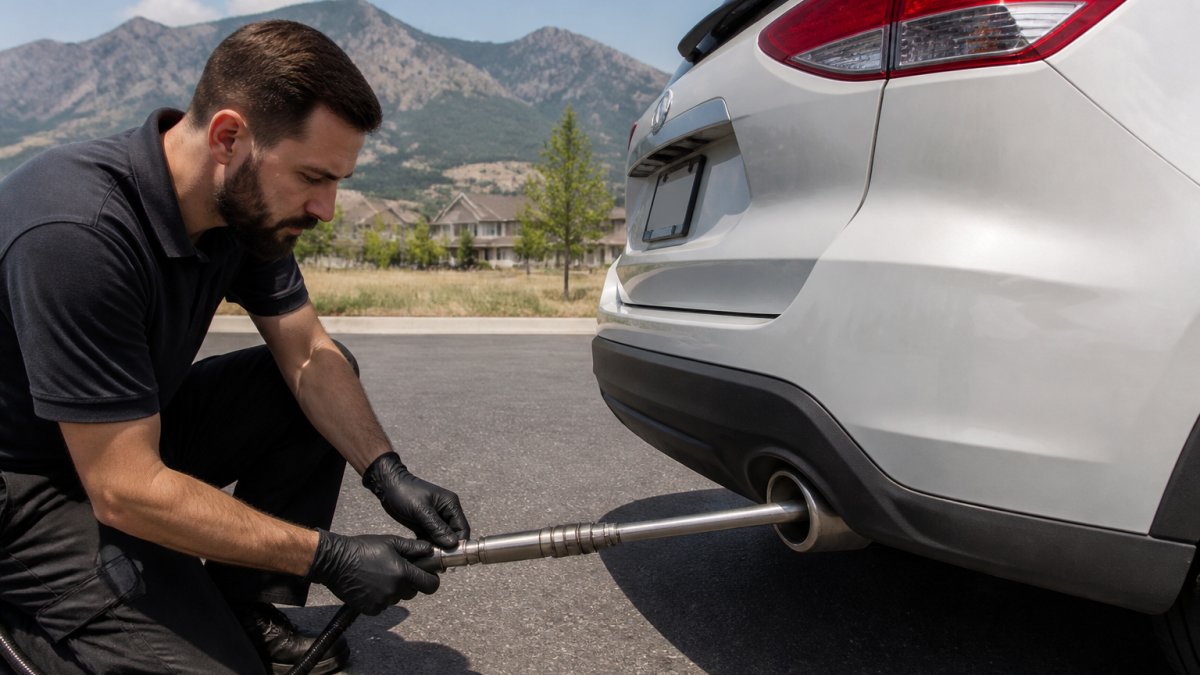
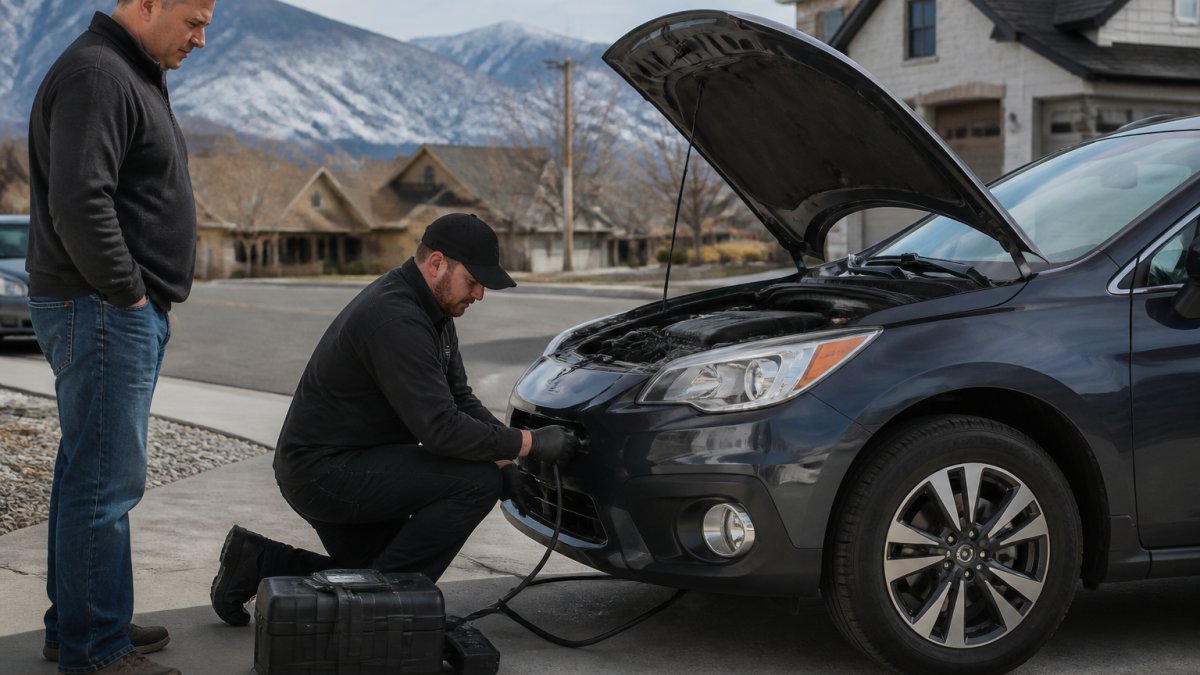
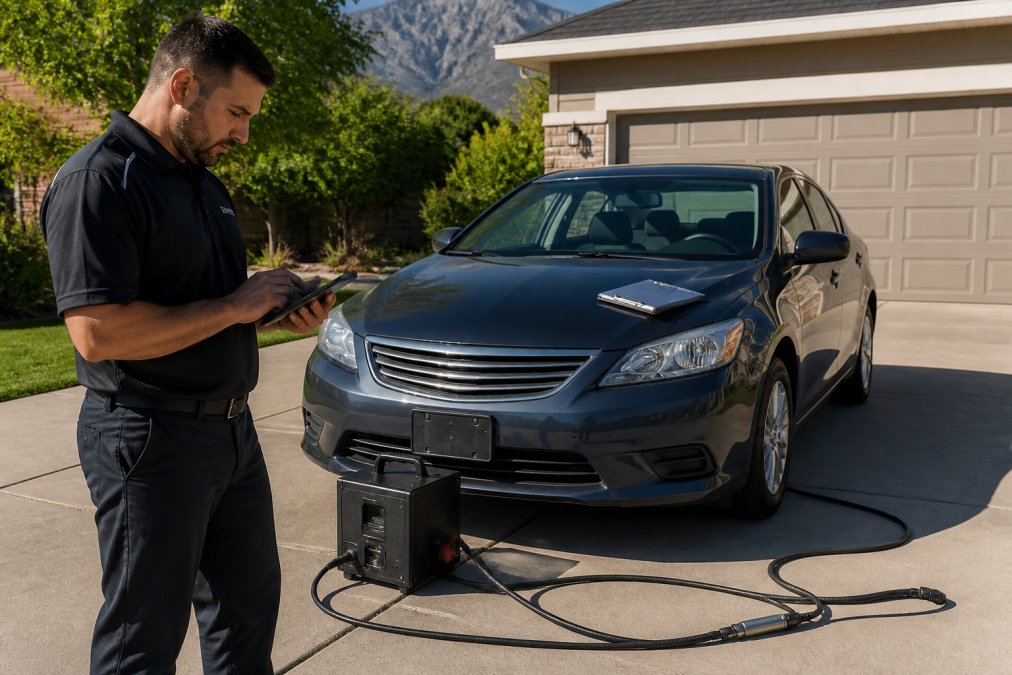
Utah County drivers have a shortcut: mobile emissions testing that comes to you. Instead of driving to a testing center and waiting in line, a certified technician arrives at your home or office.
Grace Periods, Late Penalties, and Expired Registration
Most guides wave at late fees without explaining the timeline. Here is the mechanism, step by step, so you know exactly what happens after your expiration date.
The Grace Period
A short grace period applies after your registration expires. During that window you can still renew at the normal rate without a late penalty. The length is set by the Tax Commission and can change, so confirm the current window on your renewal notice or with the Commission before you rely on it. Do not treat the grace period as extra driving time, it protects you from the late fee, not from a citation.
What Happens When You Miss It
Once the grace period closes, the penalties stack:
- Late penalty added to your renewal fee. The penalty is a percentage of the registration fee, and it grows the longer the registration stays expired. The longer you wait, the more you owe.
- Citation risk. Driving on an expired registration is a citable offense. An officer can issue a ticket independent of the state penalty, and the ticket is paid to the court, not the Tax Commission.
- Reinstatement fee. If the registration lapses long enough, the state can require a reinstatement fee on top of the renewal and the late penalty before the vehicle is legal again.
- Insurance and inspection complications. Some insurers and lenders flag lapsed registration, and an expired emissions test can force a re-inspection before the state will process the renewal at all.
How to Stop the Bleeding
- Renew immediately, even if late. Every day you wait adds to the penalty. Paying the late fee now is cheaper than paying it next month.
- Get the emissions test first if it lapsed. The portal will reject a renewal with a missing or expired test, and that rejection does not pause the penalty clock.
- Check your status before you drive. Use the State Tax Commission registration status lookup to confirm whether your registration is current, expired, or suspended before you get behind the wheel.
- Keep your address current. A renewal notice sent to an old address is the most common reason drivers miss the deadline without realizing it.
If Your Registration Was Suspended
A suspension is different from a simple expiration. It usually follows an insurance lapse, an unpaid fee, or a failed emissions record, and it requires you to clear the underlying issue before the state will renew. Contact the Tax Commission directly to confirm what triggered the suspension and what documentation clears it. Do not assume a standard renewal will work, the portal will block a suspended registration until the hold is released.
Military and Out-of-State Renewal Procedures
Active-duty military members stationed outside Utah can renew without coming home. The state offers accommodations for deployed service members, including extended deadlines in some cases.
Frequently Asked Questions
My car registration is expired in Utah. How can I renew it?
You can still renew an expired registration, but you will owe a late penalty on top of the standard fees. Start by completing any required emissions inspection, then renew online through the state renewal portal, by mail, or at a DMV office. If your registration has been expired for an extended period, the state may require you to visit an office in person with proof of insurance and identification before issuing new decals.
Do I need an emissions test to renew my registration in Utah?
It depends on where you live and what you drive. Vehicles registered in certain counties, including Utah County, must pass an emissions inspection before renewal. Newer vehicles may qualify for an exemption based on model year. If your vehicle needs testing, the inspection result is transmitted electronically to the state, so you do not need to submit paperwork. Skipping a required test will block your renewal.
How much does it cost to renew a car registration in Utah?
The cost of car registration renewal in Utah varies based on your vehicle's age, weight, and classification, plus any local taxes that apply. Because fees change and depend on your specific vehicle, check the state renewal portal for an exact total before you pay. If you renew late, add a late penalty. Emissions testing, when required, is a separate cost from the registration fee itself.
Can I renew my vehicle registration online in Utah?
Yes. The state's online renewal portal lets you renew in minutes if your emissions inspection, if required, is already on file and your address and insurance information are current. You will need your license plate number and vehicle identification number (VIN). Payment is made by card or electronic check. After the transaction, your new registration card and decal arrive by mail, usually within a few business days.
Renewing your car registration in Utah does not have to eat your afternoon. The paperwork is simple once you know the steps, and the emissions test is the one piece most people forget. Mobile Emissions Pro brings certified testing to your home or office in Utah County, with on-the-spot registration renewal so you skip the DMV line entirely. Book online today and get your registration handled in one visit.